.png?width=2362&height=817&name=Floteq-Wide-Blue-Gray%20(1).png "Floteq-Wide-Blue-Gray (1)")
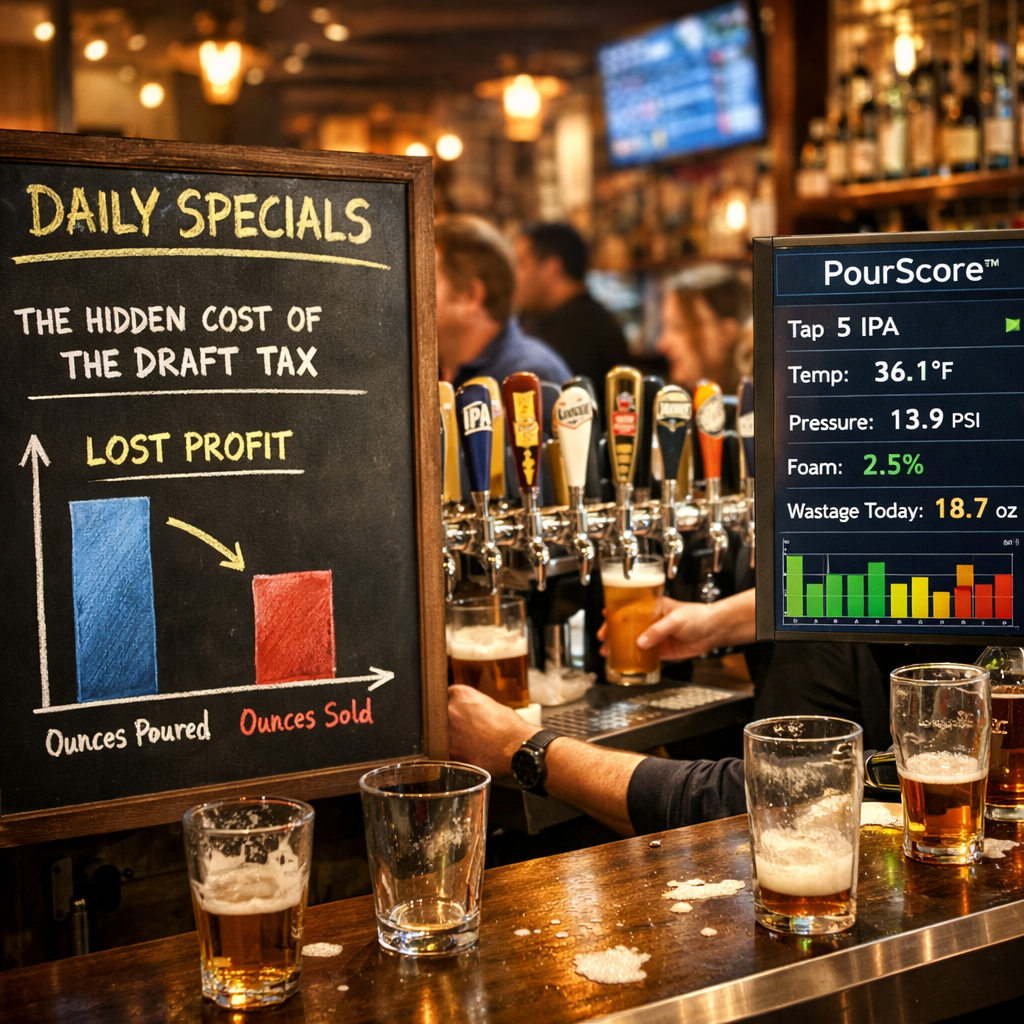
Your tap system is prime real estate. If a line is underperforming, it’s not “charm.” It’s a profit leak.
Beer is still a cornerstone. But the category is under pressure. In 2024, overall U.S. beer production and imports slipped, and craft volume declined. On-premise draft is feeling it too. Across the board, draft beer volume down year-over-year in Q1 2025 (-8.5%) and again in Q3 2025 (-1.8%). Even marquee days aren’t immune and reports show national draft volume down versus the prior year. 
So here’s the candid take. You can’t “good vibes” your way out of a slow line. You need a smarter draft mix.
The Modern Draft Program Isn’t Just Beer
Operators are putting more than beer on draft. Because draft is built for what guests want most: speed, consistency, and a great experience.
Kegged cocktails are gaining traction because they pour fast and taste the same every time. Kegged wine keeps showing up in industry coverage as a sustainability-and-operations play, with quality improving and interest rising. Cold brew continues to expand in commercial settings as demand grows for smoother, “premium” cold coffee experiences. 
This isn’t about chasing trends. It’s about putting your taps to work.
The Case for a Signature Cocktail on Draft
Every bar has that one drink guests come back for. Make it predictable. Make it fast. Make it yours.
A signature cocktail on draft gives you:
• Consistency. Same recipe. Same carbonation. Same dilution profile. Every shift.
• Speed. Pour. Garnish. Serve.
• Less prep drag. Fewer batched syrups, fewer half-finished juices, fewer “wait—how do you build that again?” moments.
• More guest time. Bartenders talk to guests. Upsell. Recover service. Keep energy up.
And there’s a simple operational truth: pre-batched cocktails on draft help bars serve faster and deliver a consistent product. Consistency is the new luxury. Guests notice.
The Smarter Way to Decide Which Beer Line to Replace
Most draft programs have “passenger lines.” They take up space. They don’t earn it.
A practical rule: don’t start with what you like. Start with what moves.
Look for lines with:
• Low velocity (slow pours per day/week)
• Chronic quality complaints (foam, warm pours, “flat” taste)
• High variance (good nights, bad nights, no pattern)
• Margin disappointment (you’re busy, but the math doesn’t show it)
Then run the thought experiment:
If that same line poured a high-margin, high-velocity alternative… what changes? Usually: a lot.
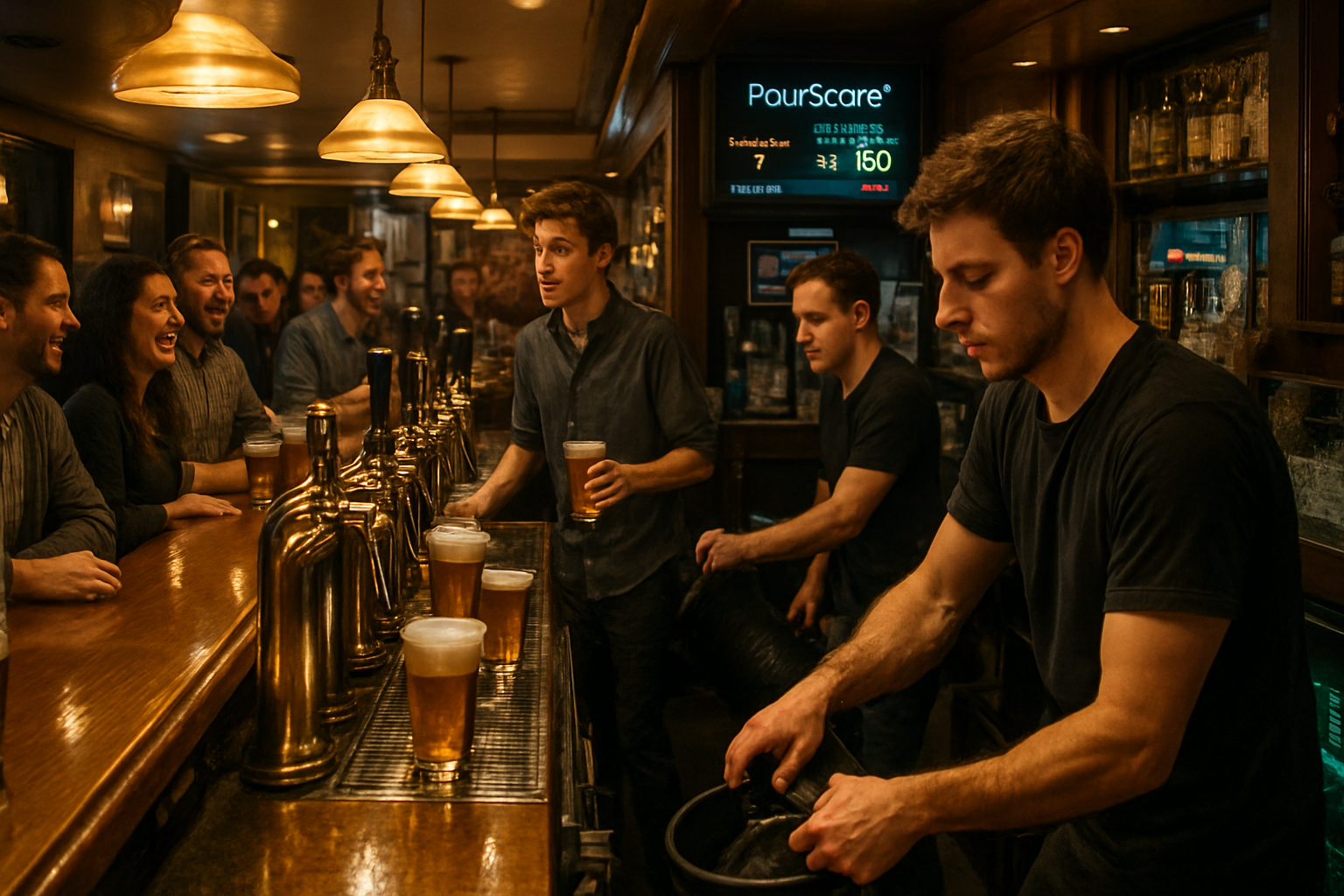
Where Floteq PourScore Helps You Win the Draft-Mix Shift
Replacing a laggard beer with a cocktail, wine, coffee, or spirit-based option only works if quality stays locked in. That’s the point of PourScore. It gives owners and operators line-level confidence.
With PourScore, you can:
• Identify underperforming lines with objective performance signals (not “GM gut feel”).
• Make the case for change using line-by-line data: “This handle isn’t earning its spot.”
• Protect quality with real-time alerts across every line, so problems don’t linger for days.
PourScore helps you continually optimize profit and quality because it tracks key draft conditions—temperature, pressure, sanitation signals, and volume—every pour—so you can catch drift early and correct it fast.
That matters more with alternative beverages than most people expect. A draft cocktail that’s “off” isn’t a mild disappointment. It’s a reputation hit. A kegged wine line that warms up or oxidizes is money in the drain. A cold brew line that goes sideways creates waste and guest complaints.
Data makes the decision cleaner. Alerts make execution safer. And your taps become a portfolio—managed, not guessed.
A simple action plan for your first 30 days with PourScore:
1. Rank every line by performance. Velocity, issues, variance, margin.
2. Pick one laggard beer line to “re-earn” its spot. No sacred cows.
3. Test one signature alternative. Start with a cocktail guests already order, constantly.
4. Instrument and monitor. Use real-time line alerts to keep quality consistent.
5. Scale what works. One win becomes the new standard.
Beer will always matter. But your draft program should reflect how guests drink now. Modern draft mix is how you keep speed up, quality tight, and margins healthier going into 2026.